Dog Nose Work Classes: What to Expect and How to Choose One
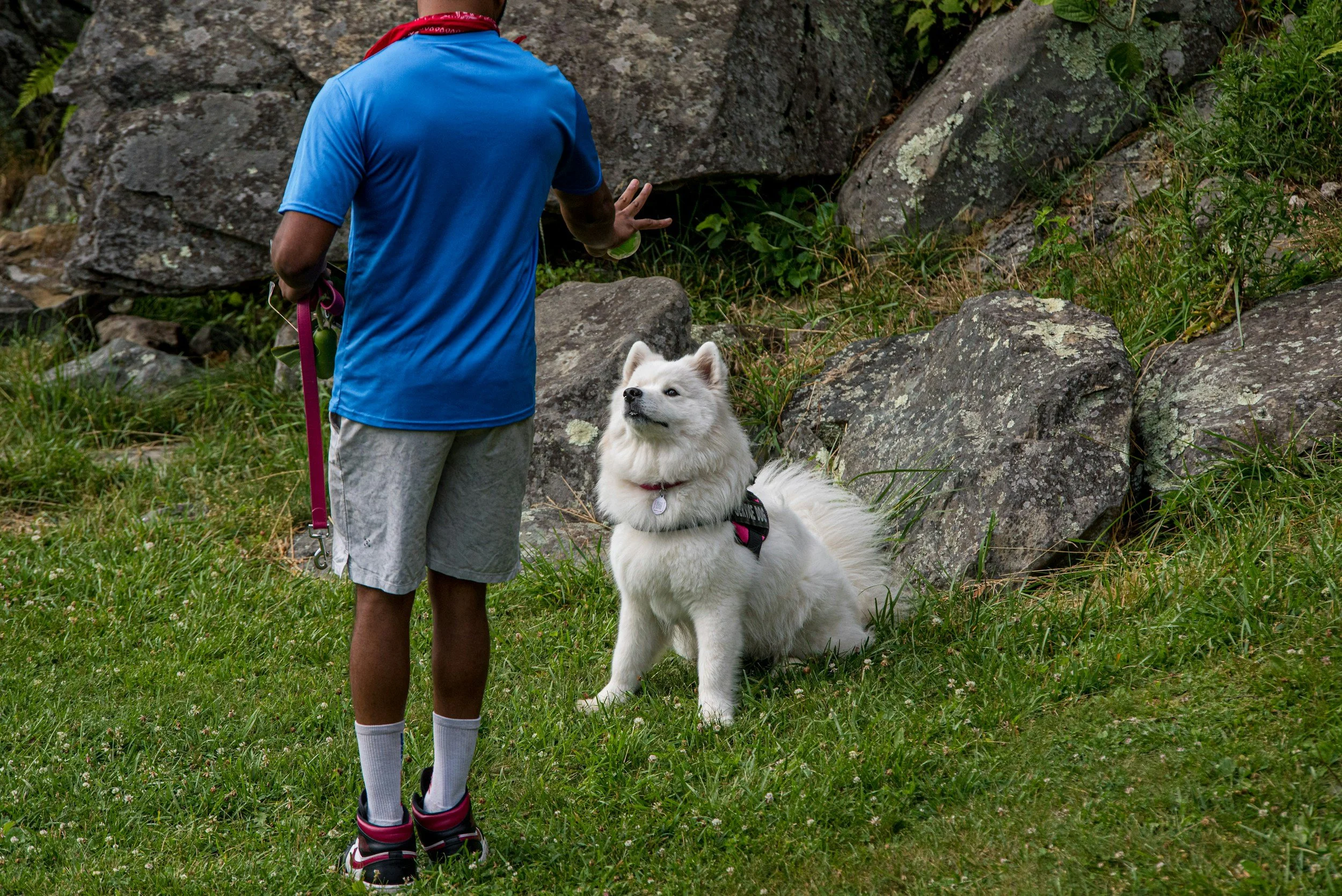
Editor's Note: At Wild Pack, we approach training through a fear-free, reward-based lens. Nosework isn't about getting your dog to perform perfectly. It's about giving them opportunities to use their instincts, make choices, solve problems, and show us what happens when we stop directing quite so much.
If you've ever watched your dog investigate one patch of grass for what feels like forever, you've already seen their nose at work. We might see grass; your dog is using their incredible sense of smell to sort through layers of information we can't begin to detect.
Dog nose work classes take that natural ability and give it structure. Your dog learns to search, while you learn something equally valuable: how to watch, trust, and understand what your dog is telling you.
Table of Contents
Key Takeaways
What Are Dog Nose Work Classes?
What Happens in a Beginner Nose Work Class?
What Dogs—and Humans—Learn From Nose Work
Can Reactive Dogs Take Nose Work Classes?
How to Choose a Dog Nose Work Class
Do You Need Special Nose Work Equipment?
Dog Nose Work Classes vs. Nose Work at Home
The Wild Pack Approach
Frequently Asked Questions (FAQs)
Key Takeaways
Dog nosework classes give dogs structured opportunities for mental stimulation, sniffing, problem-solving, and independent choice.
A good class should be reward-based, dog-led, and designed to increase difficulty without pressuring a dog to perform.
Humans learn, too—especially how to recognize subtle changes in body language while their dog searches.
Formal classes offer useful coaching, but recreational nosework can also begin at home with treats and everyday objects.
What Are Dog Nosework Classes?
Dog nosework classes are structured scent-training sessions built around something your dog already does remarkably well: use their nose. Beginners often start by searching for food before progressing to more challenging hides or specific target odors.
You may see programs advertised as nose and scentwork classes, K9 nosework or scent detection. They're related, but they're not always identical. K9 Nose Work® refers to the activity developed by the National Association of Canine Scent Work, while scent work is a broader category covering different scent-based activities.
Formal Canine Scent Detection builds on abilities similar to those used by professional detection dogs, although recreational nosework is designed for companion dogs rather than professional detection jobs. For enrichment, the important idea is much simpler: your dog gets a problem that their nose—not yours—is uniquely equipped to solve.
What Happens in a Beginner Nosework Class?
Your dog's first class probably won't involve detecting a tiny odor hidden behind a wall. Good beginner nosework classes start more simply, often with food placed in cardboard boxes or another easy-to-access hiding place.
As your dog understands the game, searches gradually become more interesting. An instructor might change the arrangement of boxes, the location of the reward, or eventually the environment itself.
But finding the hide isn't the only lesson. A good instructor will help you notice how your dog searches—their pace may change, their nose may become more focused, or they may double back toward an area they previously passed.
Those little changes are communication. Learning to see them is one of the most interesting things a nose work class can teach you.
What Dogs—and Humans—Learn From Nosework
Here's something worth remembering: your dog doesn't need us to teach them how to smell.
Nosework training creates opportunities where sniffing, investigating, and problem-solving become the entire point. That can provide meaningful mental stimulation while giving dogs space to make decisions using information we can't access ourselves.
Nosework can also create opportunities for confidence building because the dog gets to work through manageable problems independently. From a fear-free perspective, though, we don't build confidence by making a dog struggle; we adjust difficulty so curiosity has room to grow without frustration taking over.
Humans have a lesson to learn here, too. We spend much of our dogs' lives deciding where they walk, when they stop sniffing, and what we'd like them to do next. Nosework reverses those roles for a few minutes: you create the opportunity, but your dog becomes the expert.
Can Reactive Dogs Take Nosework Classes?
Some reactive dogs can enjoy nosework classes, but the environment matters enormously. A dog who searches confidently at home may have a very different experience in a building filled with unfamiliar dogs, people, sounds, and smells.
Ask your instructor or school how dogs are managed between searches. Do they work individually? Where do they wait? Will your dog need to pass other dogs in a narrow hallway or crowded room?
A fear-free instructor should think about distance, predictability, and your dog's ability to stay comfortable enough to learn. Nosework can provide valuable enrichment, but it isn't a treatment for reactivity, aggression, fear, or separation anxiety; significant behavioral concerns may need individualized professional support.
How to Choose a Dog Nosework Class
Credentials and scentwork experience are worth researching, particularly if you're interested in advanced nosework or competition. But also, pay close attention to how the instructor teaches.
Before enrolling, ask three questions:
How do you introduce beginners to searching and target odors?
How do you accommodate fearful or reactive dogs?
What happens if my dog doesn't want to search?
That third answer can tell you a lot. A fear-free, positive reinforcement instructor should view hesitation as information rather than disobedience.
Perhaps the search became too difficult, the environment is overwhelming, or the reward isn't motivating enough. The solution should involve adjusting the setup rather than forcing the dog toward the scent.
If possible, observe a class before enrolling. How someone responds when a dog struggles may tell you more about their training philosophy than anything written on their website.
Do You Need Special Nosework Equipment?
Not when you're starting. For recreational dog nosework, your first setup can literally be a cardboard box or bowl and a few treats. See our beginner nosework supplies list here.
More formal scent work and advanced nosework may eventually introduce target odors and specialized equipment, particularly if you pursue competition or more technical canine scent detection exercises. A qualified instructor can help you progress safely if that's where you want to take the activity.
But don't confuse more equipment with better enrichment. Your dog's nose doesn't care how impressive the setup looks.
Dog Nosework Classes vs. Nosework at Home
Classes and home nosework offer different benefits, and you don't necessarily have to choose between them.
A class gives you access to an experienced set of eyes. An instructor can help you recognize subtle search behavior, adjust difficulty, and progress toward more technical scent work if that's something you and your dog enjoy.
Nosework at home offers flexibility. You can create simple scent games for dogs with boxes, towels, treats, and different rooms while controlling the environment around your dog's individual needs.
For dogs who find unfamiliar environments stressful, home may actually be the better place to begin. More advanced isn't automatically more beneficial; what matters is whether your dog feels comfortable enough to investigate, think, and enjoy the experience.
Let the Dog Be the Expert
Our dogs spend most of their lives navigating a world designed by humans. We control their meals, schedules, walks, environments, and often how long they're allowed to investigate something interesting.
Nosework gives a little of that control back. For a few minutes, you don't need to have the answers—you create a safe opportunity and let your dog's sense of smell lead.
That's why nosework fits so naturally into the Wild Pack approach. Sometimes deepening your relationship with your dog isn't about teaching them to listen to you more closely. It's about discovering what happens when you start listening to them.
Ready to Start Nosework at Home?
You don't have to wait for your first class to discover what your dog's nose can do. Wild Pack's Dog Nosework Guide shows you how to create meaningful scent-based enrichment using everyday items at home, even if you've never tried nosework before.
Get instant access to the Wild Pack Dog Nosework Guide and let your dog's nose lead the way.
Read more on starter guide to scentwork training, beginner dog scentwork supplies, and ways to bond with your dog.

Frequently Asked Questions
-
Beginner dog nosework classes often start with simple food searches before progressing to more challenging scent problems. Dogs learn to search independently while handlers learn to recognize changes in their dog's behavior. More advanced classes may eventually introduce specific target odors.
-
Nosework can be adapted for puppies, adults, and senior dogs. Puppies may benefit from short, simple searches, while seniors may need accessible hiding places or mobility adjustments. Difficulty should always fit the individual dog.
-
Some can be, provided the environment is carefully managed. Ask whether dogs search individually and how entrances, exits, and waiting areas are handled. Dogs overwhelmed by group environments may be more comfortable beginning at home.
-
Not for recreational nosework. Treats, cardboard boxes, towels, and safe hiding places can provide plenty of beginner searches. Specialized equipment becomes more relevant for formal scent detection, advanced training, or competition. See our beginner supplies list here.
Read more on beginner dog scentwork supplies for more information.
-
The terms are often used interchangeably, although scent work can describe structured activities where dogs locate specific target odors. Recreational nosework may simply involve finding food or treats. Both give dogs opportunities to use their sense of smell to investigate and solve problems.
-
Absolutely. Classes offer coaching and structured progression, but recreational nosework can begin at home with very little equipment. Check out our nosework guide for beginners to get started.
About the Author
Lindsay is the founder of Wild Pack and a Certified Fear-free Dog Trainer and Coach dedicated to helping dogs and their guardians thrive through reward-based training, nervous system regulation and instinct-led enrichment. After thousands of hours working hands-on with dogs of every breed, age, and temperament, she specializes in helping dogs build confidence, resilience, and lasting behavior change without fear or punishment. Wild Pack is a 5-star rated Seattle pet wellness brand trusted by dog parents globally and featured by KOMO News, Seattle Refined, and Dogington Post for its unique approach to canine wellbeing. Through boutique services, practical education, and innovative products, Wild Pack’s mission is to rewild pets—and the people who love them.