Editor's Note: This guide follows Wild Pack's nervous-system-first, reward-based approach to dog training. We believe enrichment should support a dog's mental wellbeing, quality of life, and natural instincts—not simply give them another task to perform.
You take your dog for a walk, play with them, give them toys, and somehow they're still wandering around the house looking for something to do. Sometimes another walk isn't what they're looking for. Their brain and senses are thirsty for something interesting to explore, too.
That’s where dog nosework training comes in. Nosework gives dogs an opportunity to do something that comes naturally: sniff, search, investigate, and figure things out for themselves. It can also bring variety to an ordinary day without requiring another long outing or a collection of new toys.
At Wild Pack, we believe dogs need more than exercise and obedience. Honoring the instincts that have been part of dogs for generations can provide them richer ways to experience the world—and you don't need specialized equipment to get started.
Key Takeaways
Dog nosework training gives dogs an outlet for natural sniffing, searching, and problem-solving behaviors.
You can practice nosework at home using treats, cardboard boxes, towels, and other everyday items.
Nosework provides mental enrichment and can complement positive, reward-based dog training.
Nosework can be adapted to different dogs, but it shouldn't be treated as a cure for reactivity, fear, aggression, or other significant behavior concerns.
What Is Dog Nosework Training?
Dog nosework training is an activity that encourages dogs to use their sense of smell to locate something. Beginners might search for treats or food, while more structured scent work can involve teaching a dog to locate a particular odor. Either way, the dog's nose becomes the primary tool for solving the problem.
You'll also hear terms such as dog nosework, canine nosework, scent training, and nosework used to describe similar activities. The exact format varies, but the basic idea remains the same: your dog uses their nose to search, investigate, and find something.
For recreational nosework, you don't need elaborate equipment or previous training experience. A treat and a few safe hiding places around your home are enough to introduce your dog to the game.
Why Nosework Is So Valuable for Dogs
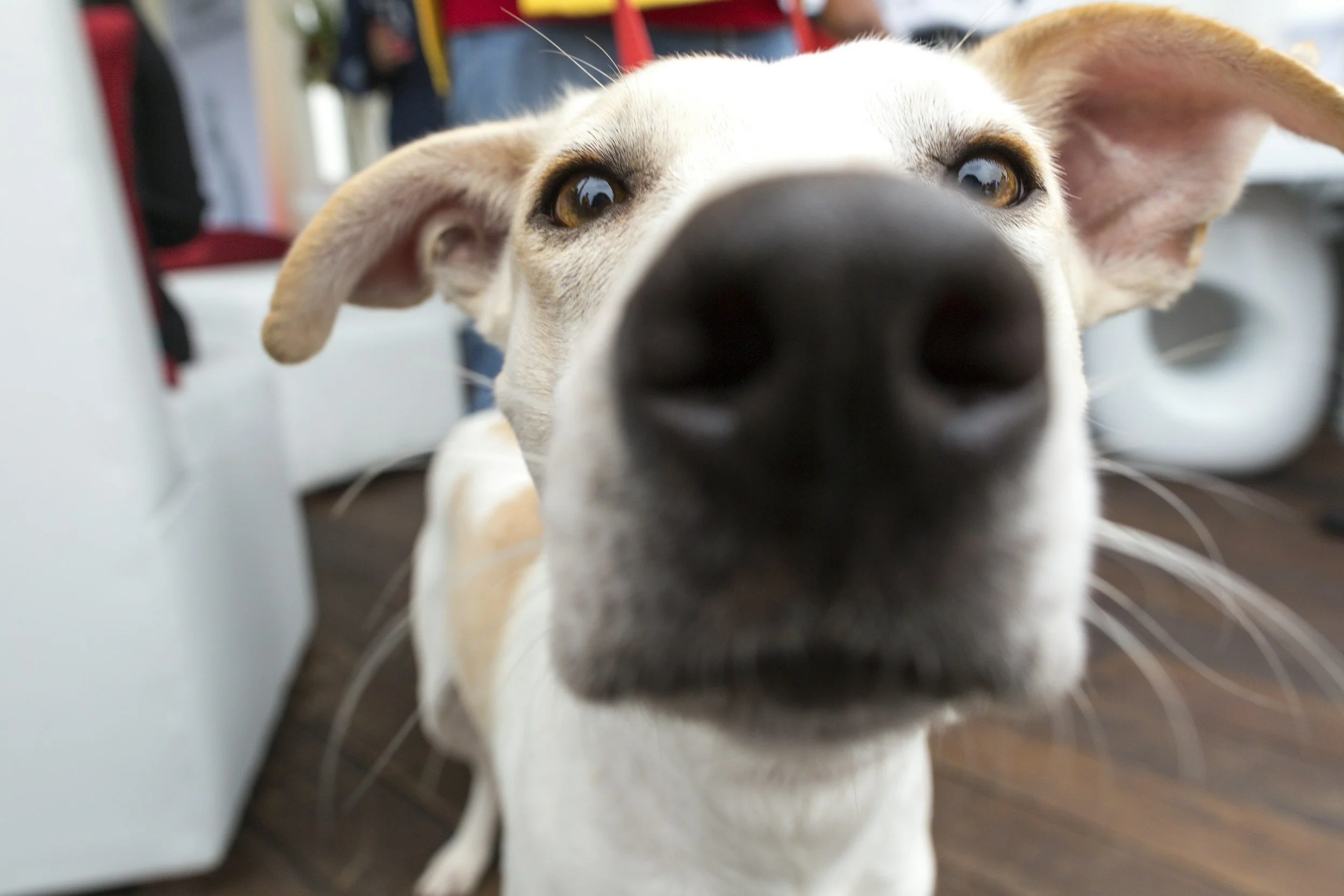
Dogs experience much of their world through scent. When your dog stops to investigate a patch of grass or spends what feels like forever sniffing the same tree, they're gathering information about what's been there and what's happening around them. Sniffing isn't simply something that slows down a walk.
Nosework for dogs builds on that natural curiosity rather than asking them to ignore it. Searching gives your dog opportunities to investigate, make decisions, and solve a problem without waiting for you to tell them exactly what to do next. That independence is part of what makes the activity different from many traditional training exercises.
This is what makes nosework such an accessible form of dog enrichment and mental stimulation for dogs. Physical exercise matters, but a dog's quality of life also depends on opportunities to use their brain, senses, and natural behaviors.
Modern dogs may live among sidewalks, leashes, fenced yards, and squeaky toys, but their instincts haven't disappeared. At Wild Pack, we see enrichment as a way to make room for some of that wildness within the lives our dogs share with us.
Can Nosework Help Reactive or Overstimulated Dogs?

For some dogs, nosework can offer a lower-pressure way to engage their brain, particularly when the activity happens somewhere familiar. Instead of constantly asking the dog for another sit, stay, or heel, you can create a simple search and give them room to work through it. The emphasis shifts from performing for you to investigating for themselves.
That can make dog nosework training a useful addition to a broader enrichment or behavior plan for some reactive dogs. The goal isn't to force calmness, but to provide an activity that allows the dog to sniff, investigate, and make choices at their own pace.
Nosework isn't a treatment for reactivity, fear, aggression, or separation-related behavior, however. Dogs experiencing significant distress or behavior concerns may need an individualized plan from an appropriately qualified trainer or veterinary behavior professional.
How to Start Dog Nosework Training at Home
Start with something so easy that your dog has a good chance of succeeding. Toss a treat a short distance away, say "find it," and allow your dog to locate the food using their nose. Repeat a few times before making the game more challenging.
Once your dog understands the idea, begin creating simple sniffing games for dogs with objects you already have. Place a treat inside an open cardboard box, loosely underneath a towel, or somewhere else that's safe and relatively easy to investigate. There's no need to buy special equipment just to get started.
Try not to point out every hiding place immediately. One of the valuable parts of nosework training is giving your dog time to work through the problem, so resist the urge to help the moment they hesitate. A little uncertainty can be part of figuring things out.
As your dog becomes more confident, gradually make the searches more interesting. You might introduce several boxes, move a treat slightly farther away, or expand the search to another part of the room. Change one element at a time rather than making everything harder at once.
A positive reinforcement approach works especially well here because finding the hidden food is naturally rewarding. You're setting up a problem your dog can solve and allowing the reward to come directly from their success.
Pay attention to your dog's body language throughout the activity. If they walk away, become frustrated, or lose interest, make the next search easier or finish for the day rather than turning enrichment into another demanding dog training session.
A Simple 9-Minute Nosework Routine
You don't need to devote an entire afternoon to nosework at home. Start with two or three minutes of easy searches so your dog understands what's happening and has a chance to become engaged. Keep the first hiding places simple enough that success comes relatively quickly.
For the next few minutes, introduce a couple of household objects or slightly less obvious hiding places. Give your dog room to investigate independently, and avoid rushing in with directions if they need a little time to work something out. You're there to set up the experience, not solve every search for them.
Finish with one or two searches that are interesting without being frustrating, then allow your dog to move on, sniff, rest, or settle. Nine minutes isn't a magic number, and the purpose isn't to exhaust your dog. It's about fitting a meaningful opportunity for mental enrichment into an ordinary day.
Common Nosework Training Mistakes
One of the easiest mistakes is making searches too difficult too quickly. Watching a dog solve a complicated search can be fun, but successful scent training begins by helping them understand the game and gradually building confidence. Harder doesn't automatically mean better.
Another common habit is showing the dog exactly where to search whenever they pause. Give them a reasonable amount of time to investigate independently because figuring things out is part of what makes nosework interesting. If they truly become stuck or frustrated, make the exercise easier.
It's also important not to compare dogs. Puppy nosework may involve very short, simple searches, while senior dog enrichment may need adjustments for mobility, stamina, or other individual needs. The activity should fit the dog in front of you.
Most importantly, don't turn every search into an obedience test. Nosework can complement obedience training, but part of its value comes from giving your dog some freedom to decide how they're going to solve the problem.
Ready to Calm your Dog and Enrich Their Mind in 9 Minutes a Day?
Wild Pack's nosework system delivers a simple way to enrich your dog's mind using everyday items you have at home. No extra walks, piles of new toys, or previous experience required. Access the Wild Pack Dog Nosework Guide →
Read more on training a dog to calm with visitors, mental enrichment games and what is nosework for dogs.

Frequently Asked Questions
-
Dog nosework training encourages dogs to locate food, objects, or scents using their sense of smell. It can range from simple scent games at home to structured canine scent work involving specific target odors. Recreational nosework can be adapted to your individual dog and doesn't require previous experience.
-
Start by placing or tossing a treat somewhere easy for your dog to find, then give them time to search for it. Once they understand the idea, introduce safe household objects such as boxes or towels and gradually make the searches more challenging. You don't need specialized training kits to begin; everyday items around the house can work well for beginner searches. Learn more about nosework for dogs at home.
-
The terms nosework and scent work are often used interchangeably, particularly in casual conversation. Scentwork can also refer to more structured training where dogs learn to identify and locate specific odors. At-home nosework can be much simpler and may involve searching for treats or playing scent games rather than finding a formal target scent. But generally speaking, you can use them synonymously.
-
There isn't one ideal amount that applies to every dog. Short sessions can provide meaningful mental stimulation for dogs, and it's usually better to finish while your dog is still interested than continue until they become frustrated or disengaged. Adjust the length and difficulty based on your dog's age, experience, health, and enthusiasm.
-
Yes, nosework can be adapted for dogs at different stages of life. Puppy nose work should involve short, easy searches, while senior dog enrichment may require accessible hiding places and adjustments for mobility, stamina, or other individual needs. The activity should fit the dog in front of you rather than following one fixed level of difficulty.
-
Nosework can provide meaningful enrichment for dogs experiencing certain behavioral issues, and some guardians may use scent-based activities as one part of their dog's routine. However, separation anxiety, significant reactivity, aggression, and other serious concerns shouldn't be treated with nosework alone. A qualified trainer or veterinary behavior professional can help determine an appropriate individualized plan, with nosework potentially serving as one supportive enrichment activity.
-
Read more on the supplies needed to get started with nosework here.
About the Author
Lindsay is the founder of Wild Pack and a Certified Fear-free Dog Trainer and Coach dedicated to helping dogs and their guardians thrive through reward-based training, nervous system regulation and instinct-led enrichment. After thousands of hours working hands-on with dogs of every breed, age, and temperament, she specializes in helping dogs build confidence, resilience, and lasting behavior change without fear or punishment. Wild Pack is a 5-star rated Seattle pet wellness brand trusted by dog parents globally and featured by KOMO News, Seattle Refined, and Dogington Post for its unique approach to canine wellbeing. Through boutique services, practical education, and innovative products, Wild Pack’s mission is to rewild pets—and the people who love them.