Dog Scentwork Classes: Why Dogs Need More Than Just Walks
Outline
Introduction
What Is a Dog Scentwork Class?
Why Dogs Naturally Gravitate Toward Scent Work
Potential Benefits of a Dog Scentwork Class
What Happens in Beginner Scent Work Classes?
Understanding AKC Scent Work
Is Scent Work Right for Every Dog?
The Growing Shift Toward Canine Enrichment
Beginner Nosework Ideas You Can Try at Home
Want to Learn Beginner Scent Work at Home?
Final Thoughts
FAQ
Key Takeaways
A dog scent work class gives dogs mental enrichment through scent-based search games and exploratory sniffing.
Scent work can help support focus, confidence-building, and instinct-led enrichment for many dogs.
Beginner scent work classes often require little equipment and can be adapted for dogs of different ages and experience levels.
The Wild Scent Ritual Guide offers a beginner-friendly introduction to scent rituals and at-home nosework exercises for everyday dogs.
Introduction
For years, dog wellness revolved around the basics: walks, obedience training, daycare, and the occasional game of fetch.
But a growing number of dog guardians are realizing something important:
Physical exercise alone doesn’t always meet a dog’s mental and instinctual needs.
That’s one reason the dog scentwork class has grown so quickly in popularity. Activities like scent workgive dogs an opportunity to engage their strongest natural sense — smell — through simple search-based games designed to encourage curiosity, focus, and enrichment.
At Wild Pack, we believe wellness is about more than physical movement alone. Mental enrichment, exploration, and opportunities for instinct-led play can also play an important role in helping dogs live fuller, more balanced lives.
What Is a Dog Scentwork Class?
A dog scentwork class teaches dogs how to search for scents, treats, or objects using their nose.
Rather than focusing purely on obedience, scent work encourages dogs to problem-solve independently through exploratory sniffing and search games. Many modern scent work classes introduce dogs to beginner search exercises using boxes, containers, or simple room searches.
Some programs are inspired by working detection dogs, while others focus more on enrichment and confidence-building for everyday companion dogs.
Beginner classes may include:
treat searches
toy-finding games
simple scent detection exercises
introductory search patterns
confidence-building exploration
The goal usually isn’t competition or perfect performance.
It’s giving dogs a mentally engaging activity that allows them to use natural sniffing behaviors in a structured, enriching way.
Why Dogs Naturally Gravitate Toward Scent Work

Dogs experience the world very differently than humans do.
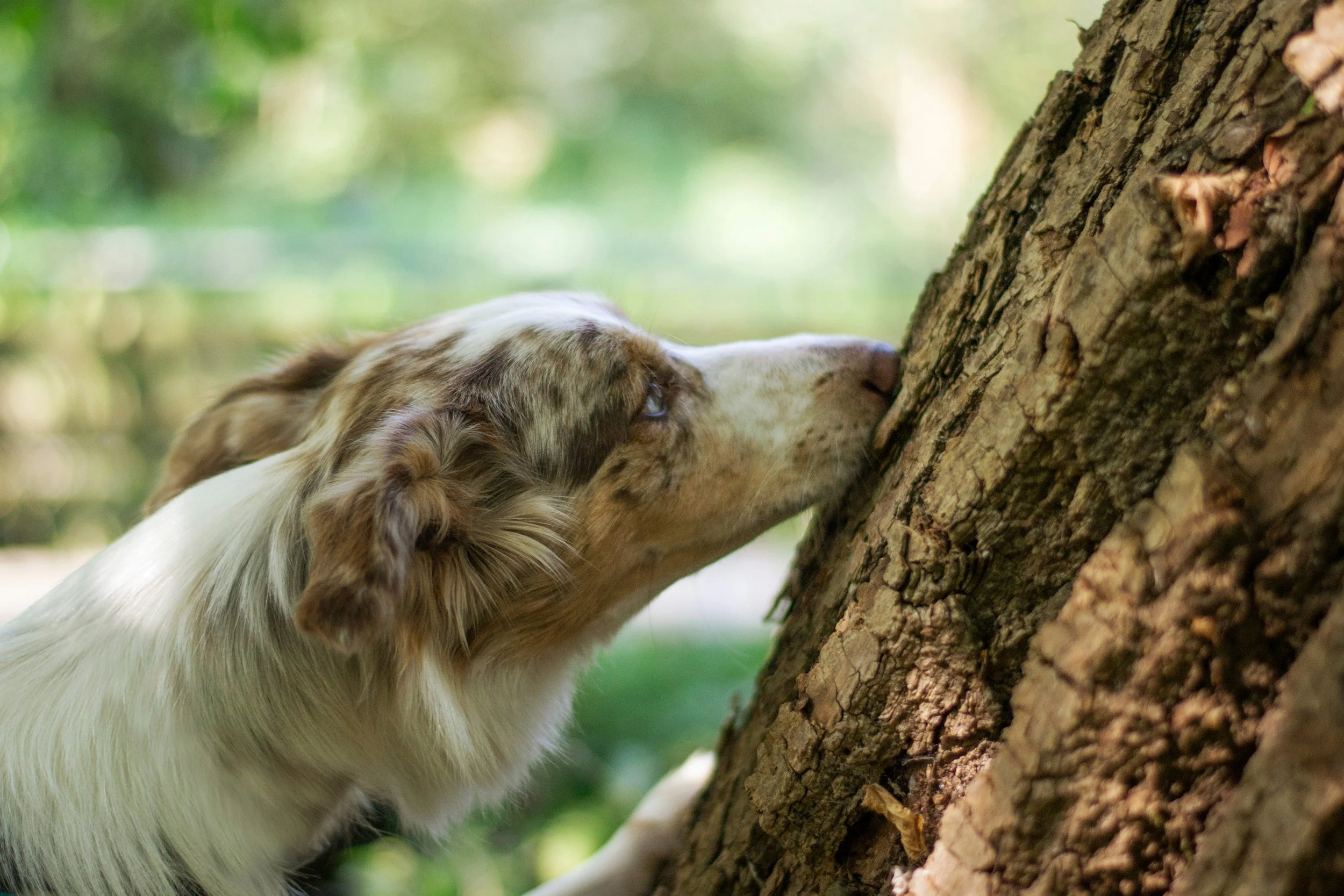
While people rely heavily on vision, dogs rely extensively on scent to gather information about their environment. Sniffing helps dogs explore, investigate, and interact with the world around them.
That’s why many trainers and enrichment professionals encourage opportunities for dogs to sniff during walks and play.
For many dogs, scent work taps into those natural exploratory instincts in a calm, focused way.
Potential Benefits of a Dog Scentwork Class
While every dog is different, many guardians and trainers report that scentwork can offer several enrichment benefits.
Mental Stimulation
Scentwork engages a dog’s brain through focused searching and problem-solving.
Even short sessions may provide meaningful cognitive enrichment, especially for dogs who spend long periods indoors or who need additional mental engagement beyond walks alone.
Confidence Building
Because scentwork encourages exploration and independent searching, it can help some dogs build confidence over time.
Many beginner exercises are low-pressure and adaptable for different personalities and energy levels.
Encourages Calm Focus
Some guardians find scent-based activities help channel their dog’s energy into slower, more focused engagement.
While scentwork is not a replacement for behavioral support or dog training, it may complement a well-rounded enrichment routine for dogs who struggle with boredom or overstimulation.
Strengthens Human-Dog Connection
Scentwork also encourages humans to slow down and observe their dog more closely.
You may begin noticing:
body language shifts
excitement cues
search patterns
focus changes
moments of curiosity and confidence
For many people, scentwork becomes less about “performance” and more about shared presence and engagement.
What Happens in Beginner Scent Work Classes?
Most beginner training classes start very simply.
Dogs are introduced to easy searches using treats, toys, or scent containers placed throughout a beginner-friendly search environment.
As dogs build confidence, searches may gradually become more layered or challenging.
Some classes may eventually introduce:
elevated hides
more distracting environments
beginner odor recognition
simple scent theory concepts
foundational handling skills
More advanced scent sports sometimes include challenges known as inaccessible hides, where dogs must locate odor sources that cannot be directly reached. While inaccessible hides are typically introduced later in training, they demonstrate how dogs learn to work scent puzzles in increasingly complex ways.
Importantly, beginner scentwork generally does not require:
expensive equipment
advanced obedience experience
high athletic ability
prior nosework experience
That’s part of why scentwork has become popular with such a wide range of dogs and guardians.
Understanding AKC Scent Work
In the United States, one of the most recognized competitive scent sports is AKC Scent Work through the American Kennel Club.
AKC Scent Work is designed to mimic the work performed by professional scent-detection dogs while remaining accessible to companion dogs and handlers.
Dogs search for hidden odors across different environments, and teams progress through increasingly challenging levels over time.
While some people enjoy pursuing titles and competition, many others simply participate in AKC Scent Work for enrichment, confidence-building, and fun.
Is Scent Work Right for Every Dog?
Many dogs can participate in beginner scent work activities, including:
puppies
senior dogs
rescue dogs
companion dogs
working breeds
dogs recovering from injury (with veterinary guidance)
Because scentwork can be adapted to different mobility and energy levels, it’s often considered an accessible form of enrichment.
That said, every dog is unique. Dogs with significant anxiety, reactivity, or medical concerns may benefit from individualized training advice from a qualified trainer or veterinarian when beginning new activities.
The Growing Shift Toward Canine Enrichment
The rise of the dog scentwork class reflects a larger shift happening in pet care.
More people are becoming interested in:
enrichment-based activities
instinct-led play
canine mental stimulation
calmer exploration
scent-based games
holistic approaches to wellbeing
At Wild Pack, we believe dogs thrive when they’re given opportunities to explore, engage their senses, and interact with the world in natural ways.
Sometimes enrichment doesn’t need to be complicated.
Sometimes it starts with simply letting dogs sniff.
Beginner Nosework Ideas You Can Try at Home
If you’re curious about scentwork, you can start small at home by:
hiding treats around a room
tossing kibble into grass for “find it” games
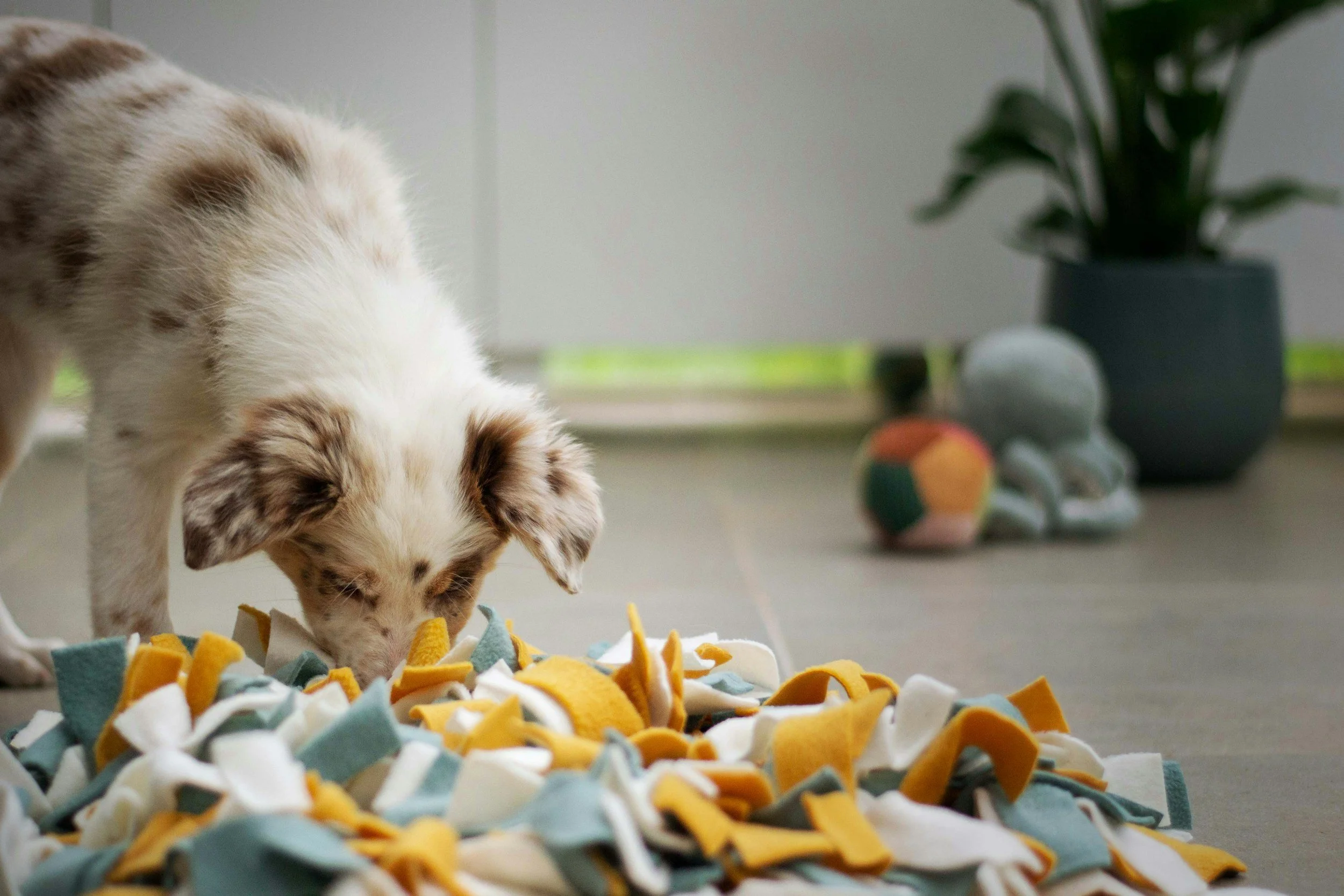
using snuffle mats
hiding favorite toys
encouraging slower-paced sniff walks
The key is allowing your dog to explore at their own pace rather than rushing the activity.
For many dogs, the sniffing itself is the rewarding part.
Want to Learn Beginner Scent Work at Home?
If you’d like a more structured introduction to beginner nosework, the Wild Scent Ritual Guide was designed specifically for everyday dog guardians looking to introduce calm, accessible scent-based enrichment at home.
Inside, we cover:
beginner-friendly scent rituals
foundational scent detection games
simple home setup ideas
enrichment concepts for calmer engagement
ways to build more intentional connection through instinct-led play
The guide is designed to be approachable and beginner-friendly — without requiring expensive gear or advanced handling knowledge.
Final Thoughts
A dog scentwork class isn’t about creating the “perfect” dog.
It’s about giving dogs opportunities to engage their brain, explore through scent, and participate in activities that feel natural and enriching to them.
For many dogs, those moments of curiosity, focus, and exploration can become an important part of a balanced, fulfilling life.
And sometimes, one of the simplest ways to support a dog’s wellbeing is also one of the most natural:
Letting them use their nose.
Looking for support? Download our nosework guide here and read more about nosework training for dogs here and scentwork starter tips here.

FAQ
What’s the difference between scent work and obedience training?
Traditional obedience training focuses on cues and handler direction, while scentwork encourages dogs to independently use their nose to solve scent puzzles and locate odors.
Some advanced programs combine scent searching with handling elements sometimes referred to as Odor Obedience.
Is AKC Scent Work only for competition dogs?
No. While AKC Scent Work offers competitive levels and titles, many people participate casually for enrichment and bonding.
Are private lessons available for scentwork?
Yes. Some trainers offer group classes, while others provide private lessons for dogs who may benefit from quieter learning environments or individualized pacing.
What is Scent Work University?
Scent Work University is one example of an educational platform offering online scentwork education, seminars, and coursework for handlers interested in learning more about scent theory and scent sports.
Many people explore resources through Scent Work University when they want to deepen their understanding of handling, search strategy, and odor recognition.
Do dogs need strong obedience skills before starting scentwork?
Not necessarily. While basic obedience skills can sometimes help in class settings, many beginner scentwork activities are intentionally designed to be accessible to everyday dogs with little prior experience.