German Shepherd Training That Works With Their Instincts, Not Against Them
A fear-free training guide that turns your German Shepherd's loyalty, intelligence and drive into calm confidence.
Editor's Note: This article was written by a Certified Fear Free trainer. At Wild Pack, every approach we share is instinct-led, nervous-system-first, and rooted in fear-free training.
Dear Pet Parent,
Does your German Shepperd:
❌ Bark, lunge or guard at people, dogs or the front door?
❌ Mouth, nip or grab at hands, sleeves and leashes?
❌ Pace, whine or struggle to settle, even after a long walk?
❌ Shadow you from room to room and struggle when left alone?
❌ Pull hard on leash or fixate on anything that moves?
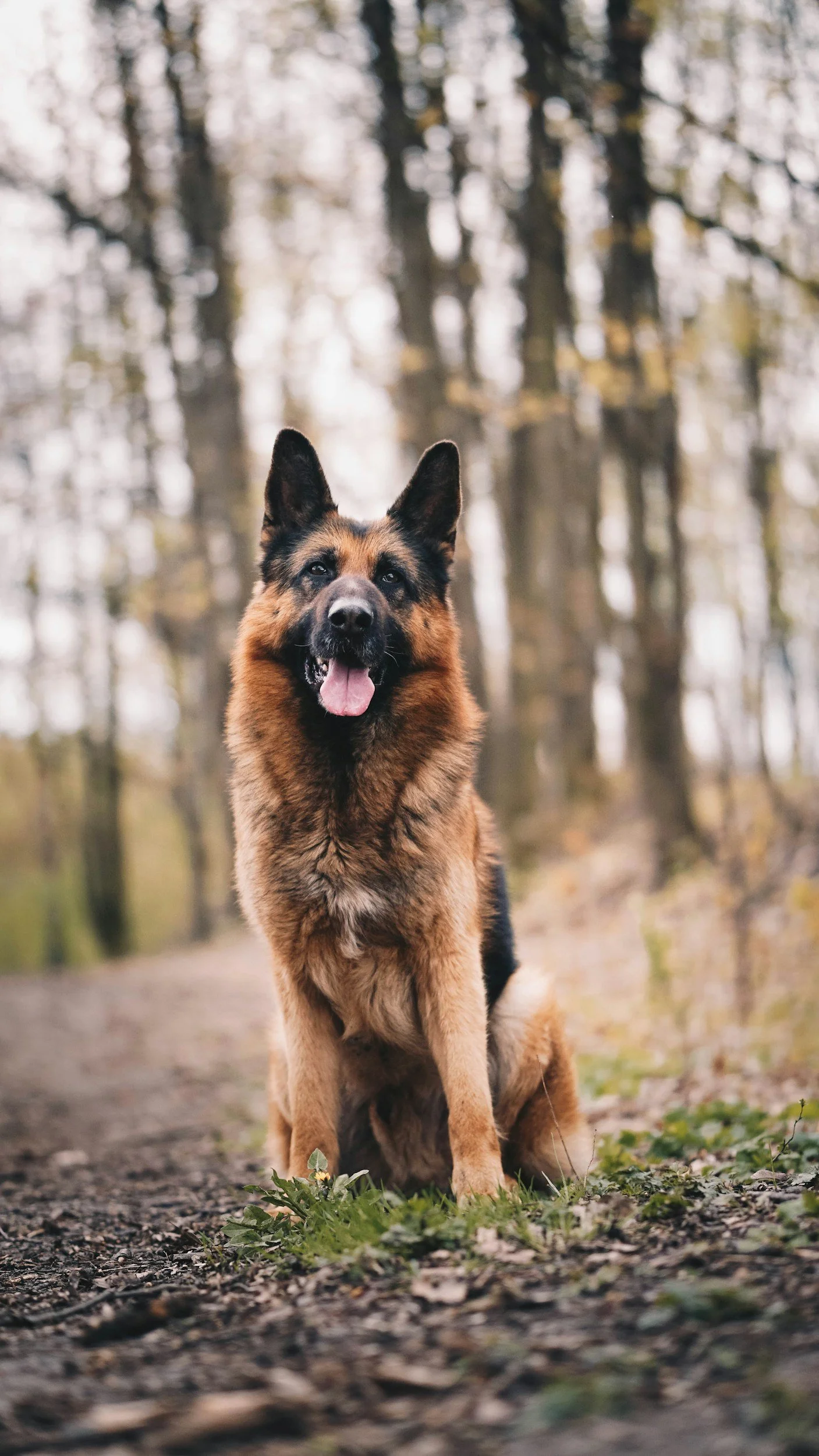
If any of that sounds familiar, your German Shepherd isn't being difficult. They were bred to work beside a person, watch over a flock and make decisions under pressure. When that loyal, watchful mind doesn't have a clear job, or enough support to feel safe, it creates its own: guarding, monitoring, managing. Good German Shepherd training, like all good dog training, doesn't shut that drive down. It gives it direction.
“The habits you build today become the dog you live with tomorrow.”

German Shepherd Personality Traits
The German Shepherd Dog was developed in Germany in the late 1800s as a herding and working dog, and that history still shapes their personality and how they think:
Intelligent. They learn fast, which means they pick up unwanted habits fast too.
Loyal. They bond deeply with their people and want to work alongside them.
Watchful. They're always scanning, assessing and ready to act.
Sensitive. Many feel the world intensely. Behaviors labeled "dominant" or "stubborn" usually come from a dog who is overwhelmed, unsure or doing a job no one gave them.
Varied in drive. Working-line and show-line dogs can differ a lot in energy, so training should fit the individual dog in front of you, not just the breed.
Understand these traits, and most "problem" dog behavior starts to make sense. Work with them, and those same traits become your German Shepherd's greatest strengths.
Principles for Training a German Shepherd
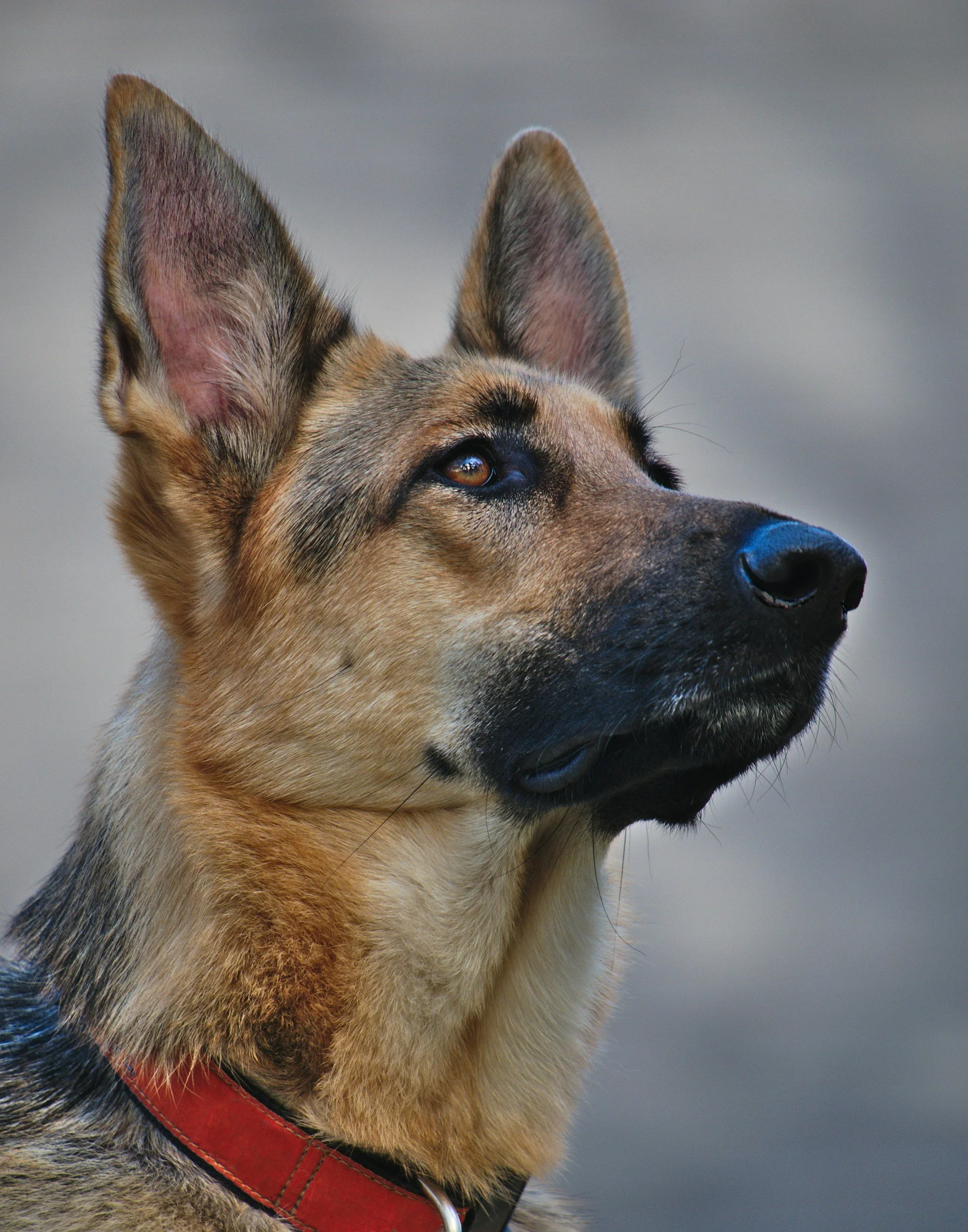
To truly support a German Shepherd, we recommend a three-part approach, the same foundation behind our Calm Canine OS™:
Use reward-based, fear-free methods. German Shepherds are sensitive and deeply bonded to their people. Harsh corrections, prong collars or shock can damage that trust and add to stress and reactivity, while positive reinforcement builds confidence and a willing working partnership. Reward the behavior you want, and your German Shepherd will offer more of it.
Channel instinct instead of suppressing it. Telling a German Shepherd to stop guarding or herding rarely works, because the drive doesn't go away. Instead, give it an appropriate outlet. Nosework, retrieves and impulse-control games satisfy the same need to work, watch and focus.
Regulate before you train. A dog on high alert can't learn. If your German Shepherd is pacing, barking at every sound or can't settle, start by helping them decompress with sniffing, predictable routines and rest. Learning comes easier when your Shepherd is in a calm state.
Common German Shepherd Challenges and Training Tips
Barking, guarding, mouthing and not being able to switch off can look like separate problems. But they often share the same roots: a watchful mind, a nervous system stuck on high alert, or both. That's why supporting regulation is often the best place to start. Here is a list of common challenges and how to start addressing them.
✅ Barking and leash reactivity. Their watchfulness can tip into barking and lunging at dogs, people or movement. What helps: reading your dog's body language to spot rising stress early, working at a distance where your dog can stay under threshold, counterconditioning, and plenty of decompression walks.
✅ Guarding and protectiveness. Like many guard breeds, German Shepherds often guard doors, spaces, objects or even people. What helps: management, a strong place or settle cue, and never encouraging "protection" behavior at home.
✅ Mouthing and nipping. Puppies and adolescents often mouth hands, sleeves and leashes. What helps: redirecting to appropriate toys, structured tug with clear rules, and a reliable "drop" cue.
✅ Velcro behavior and separation stress. Their strong bond can make time alone hard, and some develop separation anxiety. What helps: building independence gradually, rewarding calm on a mat, and short, predictable departures.
✅ Overarousal and trouble switching off. More exercise often makes it worse. What helps: teaching an "off switch" through a settle cue, balancing activity with mental stimulation, and protecting rest.
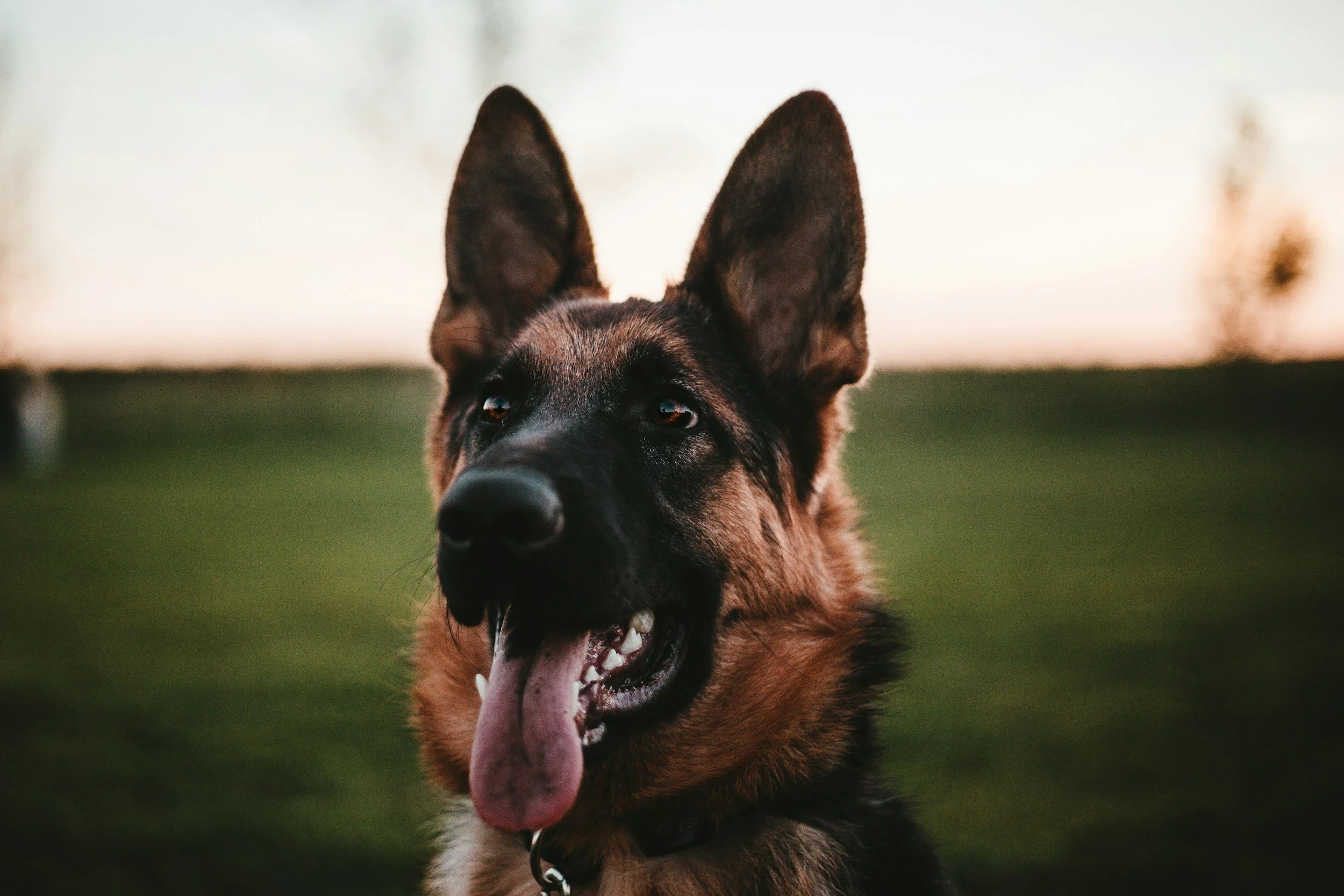

“The wild isn't something to train out — it's something to honor”
Training Through Every Life Stage
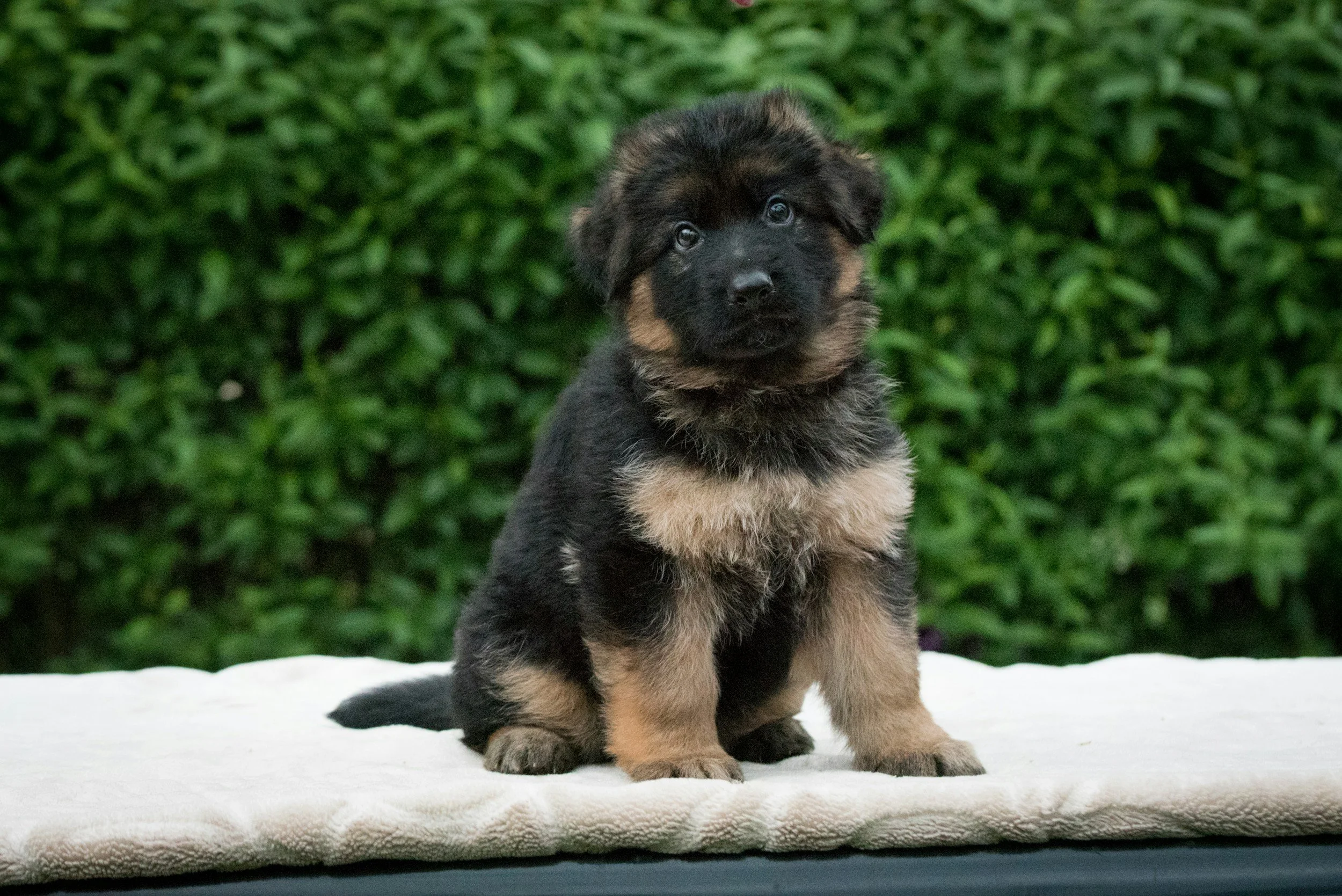
Puppy. German Shepherd puppy training should focus on gentle socialization, handling, redirecting mouthing and crate training that feels safe, never like punishment. Early experiences shape how a German Shepherd puppy sees the world, so quality matters more than quantity.
Adolescent. From roughly six months to two years, many German Shepherds become more watchful, more reactive and more likely to test boundaries. Stay consistent and keep regulation front and center.
Adult. Keep obedience training sharp with short, regular sessions, and give your dog real jobs like scent work, training games and structured play, alongside plenty of rest.
Senior. The breed is prone to joint issues like hip and elbow dysplasia. Shift to low-impact enrichment like nosework, and remember that new behavior problems can be a sign of pain, so check with your vet.
Instant access · No special tools required

Where to Start with your German Shepherd
If your dog’s challenges trace back to a nervous system on high alert, the first step isn't more dog training or more exercise. It's helping them come back to calm.
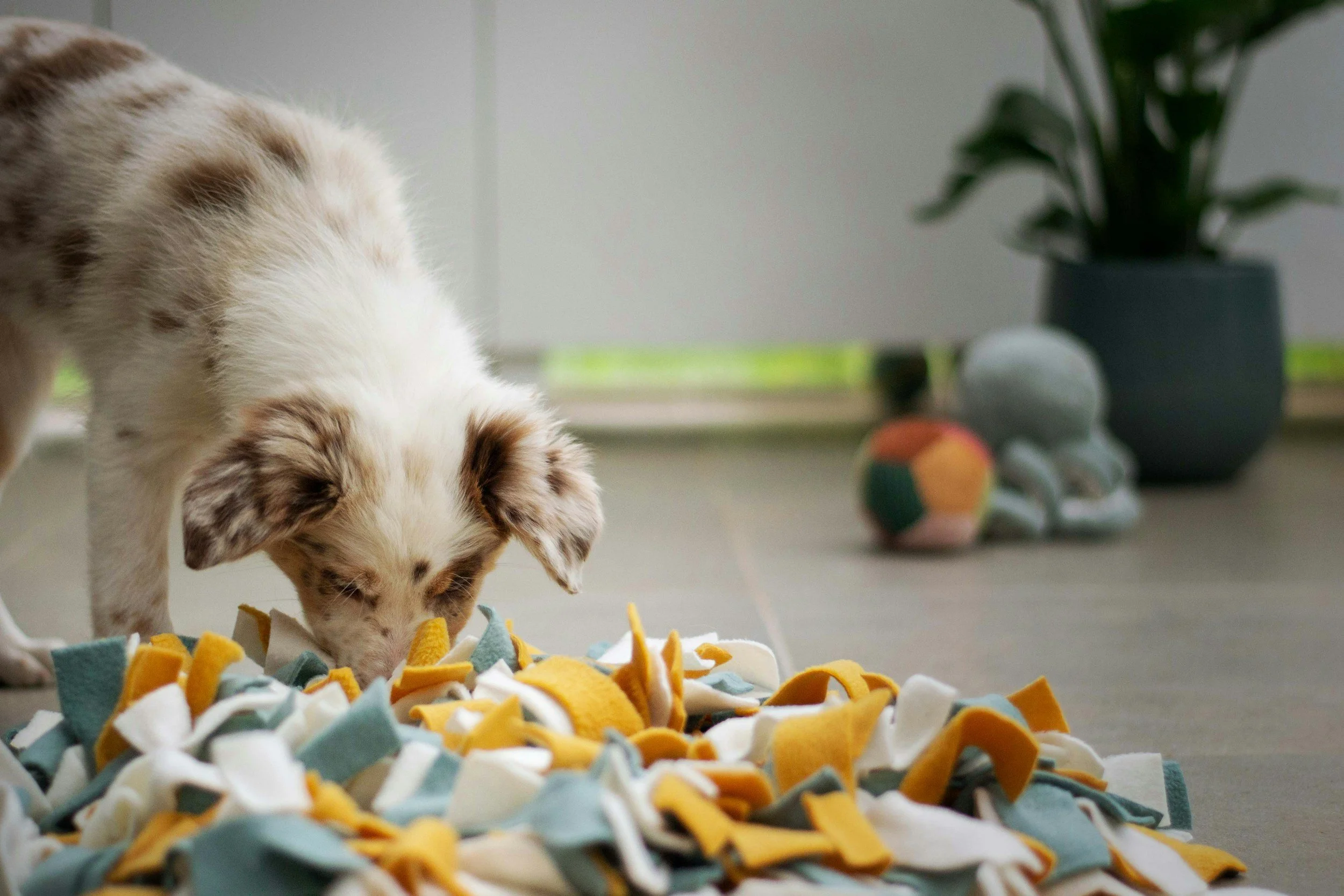
That's where nosework comes in. Sniffing is one of the most natural ways for a dog to decompress, and it's especially powerful for German Shepherds, the ultimate sniffers. Searching for a scent gives their watchful mind a real job, satisfies the same drive that fuels guarding and herding, and slows them down instead of winding them up. Your dog sets the pace, makes their own choices, and finishes calmer and more focused than they started.
Best of all, it doesn't take long. A few minutes of scent work a day can become a grounding ritual, a reliable way to help your German Shepherd shift out of high alert before walks, after busy days, or anytime they can't settle.
Ready to make it a daily ritual? The Wild Scent Ritual Guide gives you simple, step-by-step scent rituals to help your German Shepherd decompress, focus, and find calm.
Instant access · No special tools required
German Shepherd FAQs
Are German Shepherds hard to train? They are one of the most intelligent breeds that exists and eager to work, so they learn quickly - this is why they’re the chosen canine breed to work as police dogs. The challenge is their intensity and sensitivity: they need clear structure, regulation and a real job, not harsh correction.
When should I start training a German Shepherd puppy? Start the day your German Shepherd puppy comes home, usually around eight weeks old. Early sessions should be short and gentle, focused on handling, socialization, name recognition and settling.
How do I stop my German Shepherd from barking at everything? Treat barking as communication, not defiance. Work at a distance where your dog can stay calm, use counterconditioning to change how they feel about triggers, and make sure their needs for rest, enrichment and decompression are met.
When do German Shepherds calm down? Many German Shepherds mature around two to three years old, though working lines often stay high-drive longer. Calm doesn't just arrive with age. It's a skill you can teach.
How do I potty train a German Shepherd puppy? Take your puppy out often, especially after sleeping, eating and play, and reward them right after they go outside. Crate training can help, since most puppies avoid soiling where they rest, as long as the crate feels safe and is never used as punishment.
Is obedience training enough for a German Shepherd? Obedience training is a great foundation, but most German Shepherds need more than sit and stay. Pair obedience training with jobs that use their drive, like scent work, and if you're stuck, a fear-free dog trainer can help.
About the Author
Lindsay is a Certified Fear Free Trainer and the founder of Wild Pack, with 15+ years of experience in wellness. Her instinct-led, nervous-system-first approach helps dogs and their people find calm, confidence, and deeper connection. Based in Seattle, she works with dogs locally and virtually. Learn more about booking a training session here.